Labour's 2026 General Election policies for New Zealand will manage the economy responsibly, make healthcare more affordable, cut the cost of getting around, and deliver real action on the cost of living.
Every policy below is fully costed and funded. Click any policy to read the detail, including who is eligible, when it starts and how it is paid for.
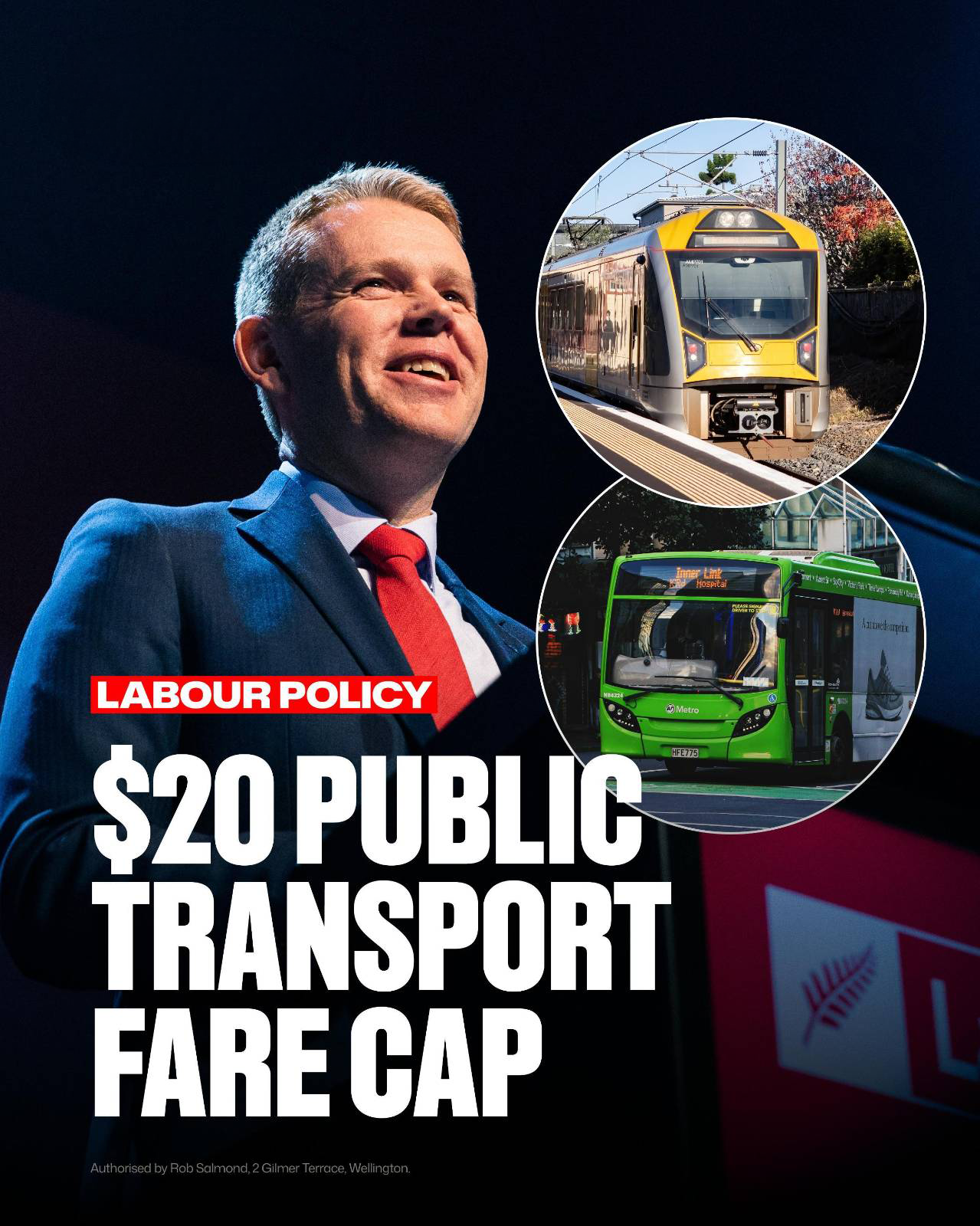
$20 Fare Cap
$20 a week is the most you'll pay to get around by bus or train under Labour. In place by 1 July 2027.
Learn More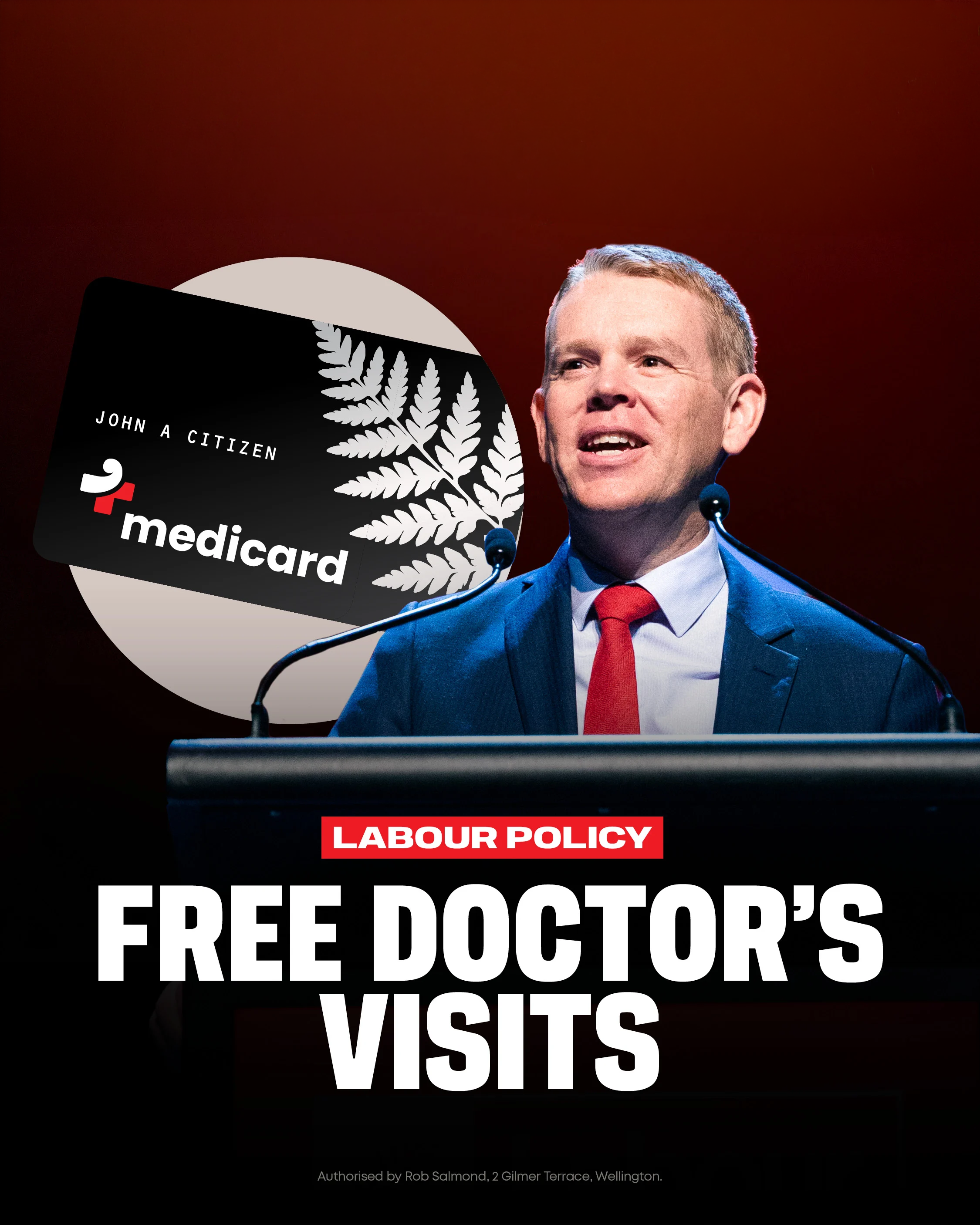
Free Doctor's Visits
Three free doctor's visits a year for everyone. Delivered with Labour's new Medicard.
Learn More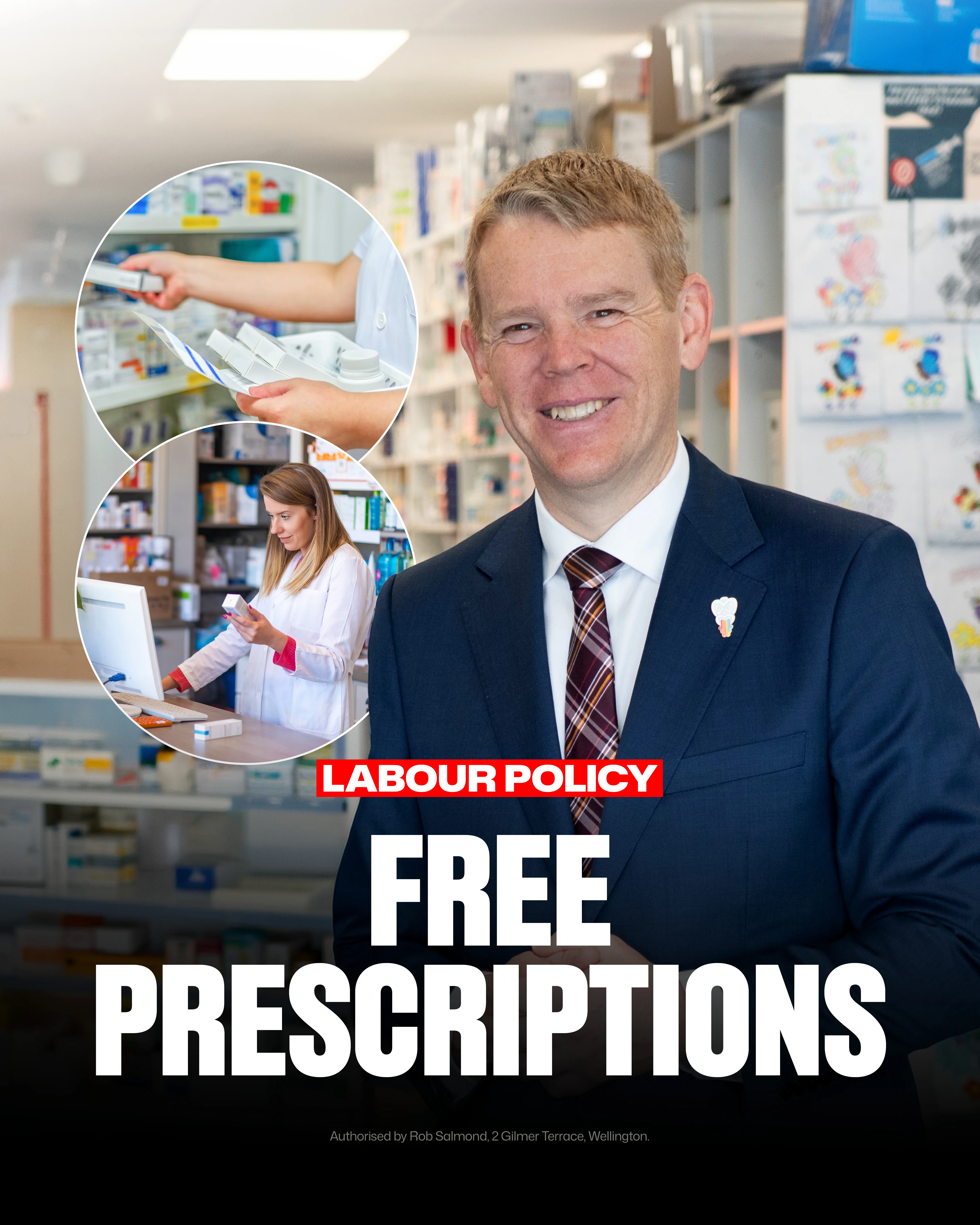
Free Prescriptions
Labour will remove the $5 fee on prescriptions to make them free for everyone. From 1 July 2027.
Learn More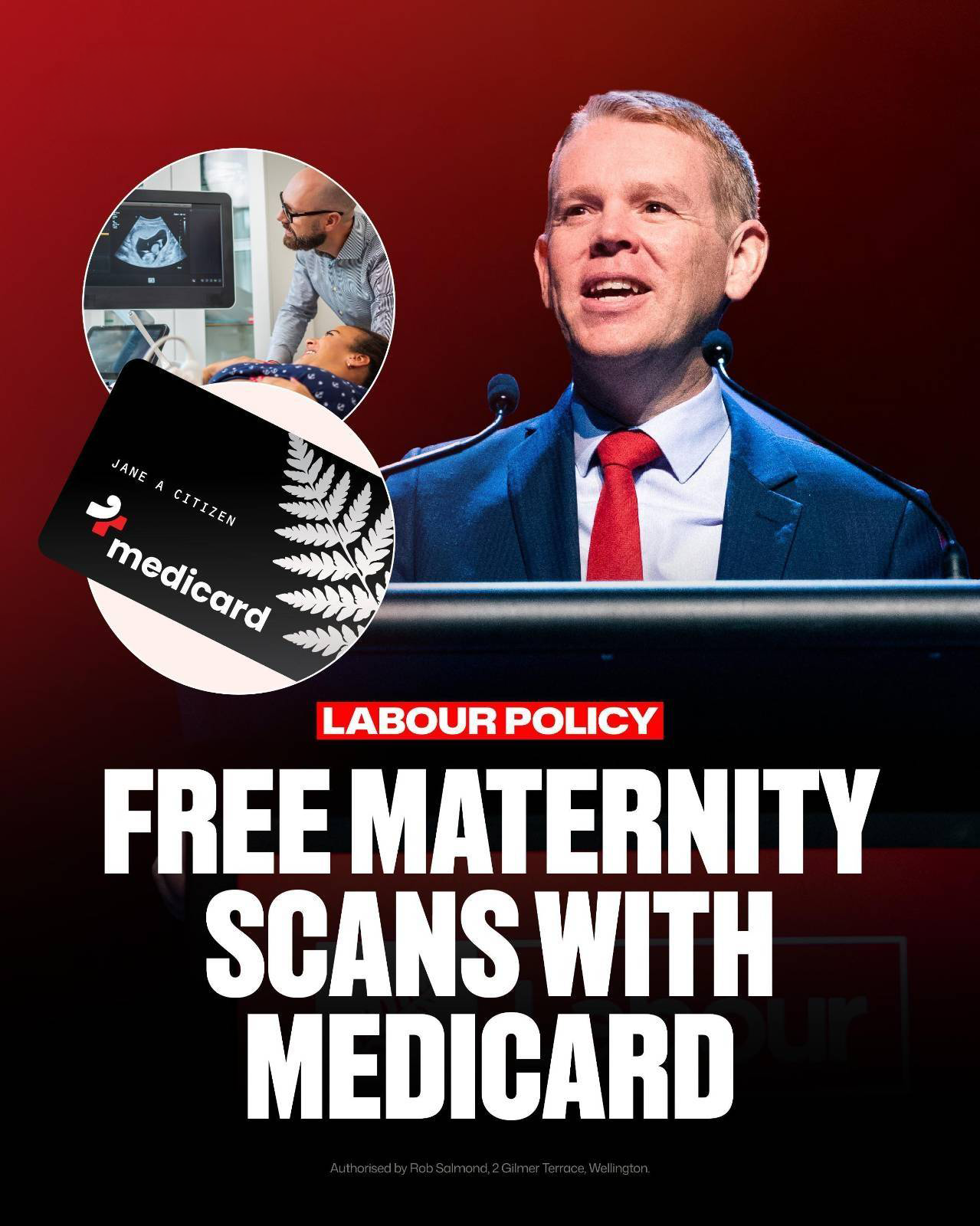
Free Maternity Scans
Labour will make maternity scans free, everywhere in New Zealand with the Medicard. From July 2028.
Learn More
New Zealand Future Fund
Backing New Zealand's potential and investing in a future made in New Zealand.
Learn More
Free Cervical Screening
With Labour's Medicard, cervical screening will be free for ages 25-69. From 1 October 2027.
Learn More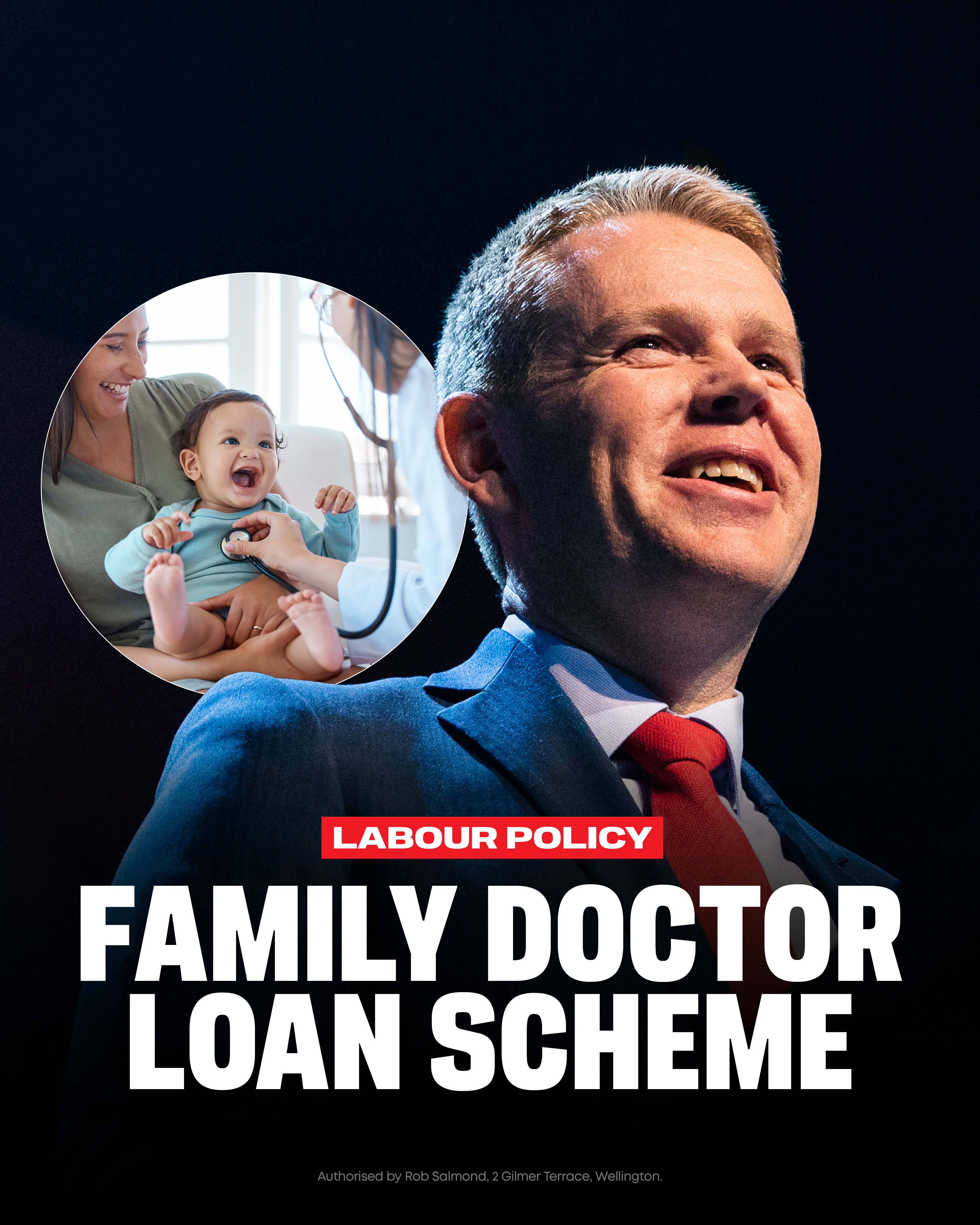
Family Doctor Loan Scheme
Labour's Family Doctor Loan Scheme supports local GPs to buy into practices and stay in their communities. From 1 July 2027.
Learn More
Capital Gains Tax
A simple, targeted 28% tax on profit from selling investment property after 1 July 2027. Nine in 10 New Zealanders won't pay it.
Learn More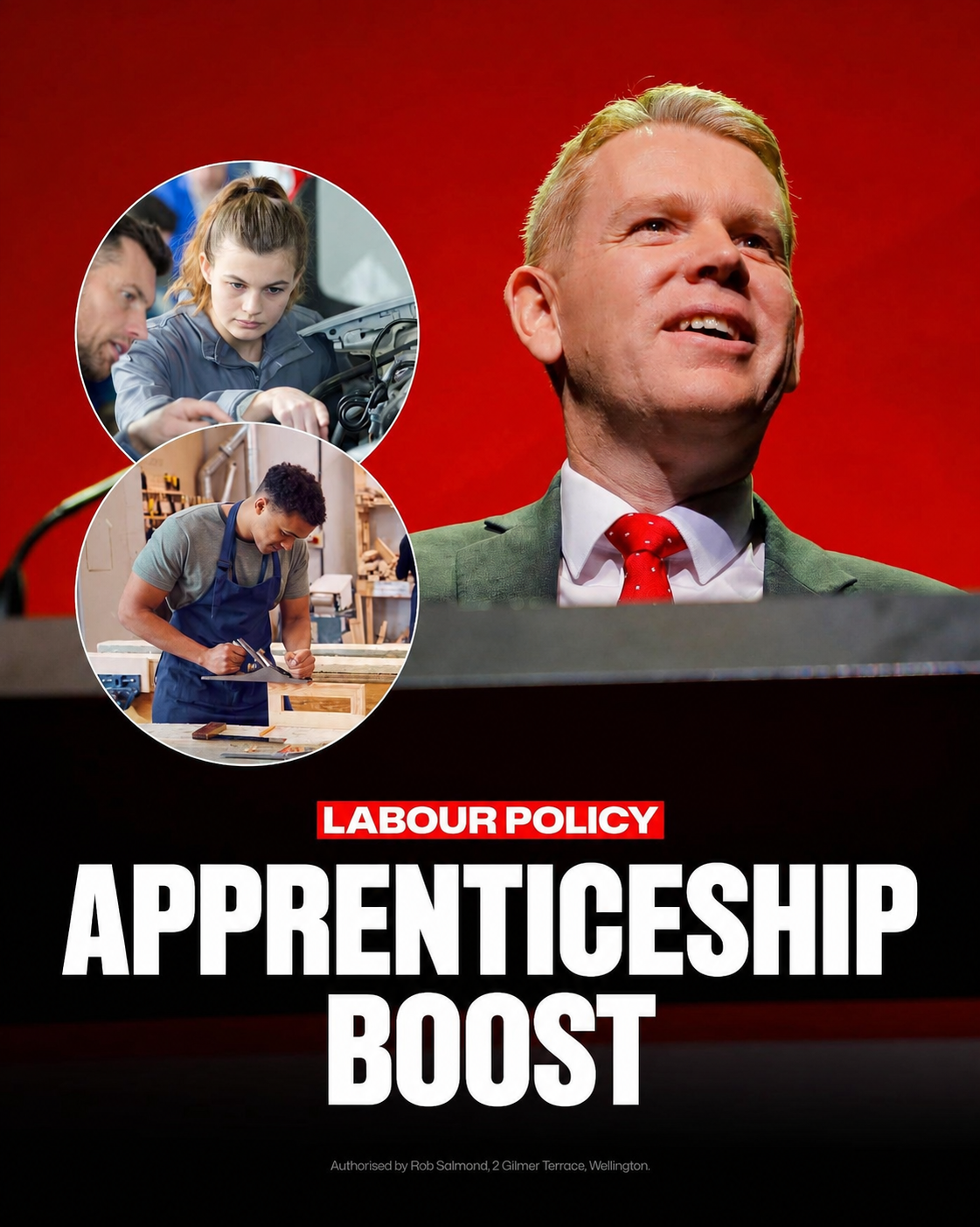
Apprenticeship Boost
Labour will support more tradies with extended employer payments, a $1,000 toolbox grant, and five new trades covered. From 1 July 2027.
Learn More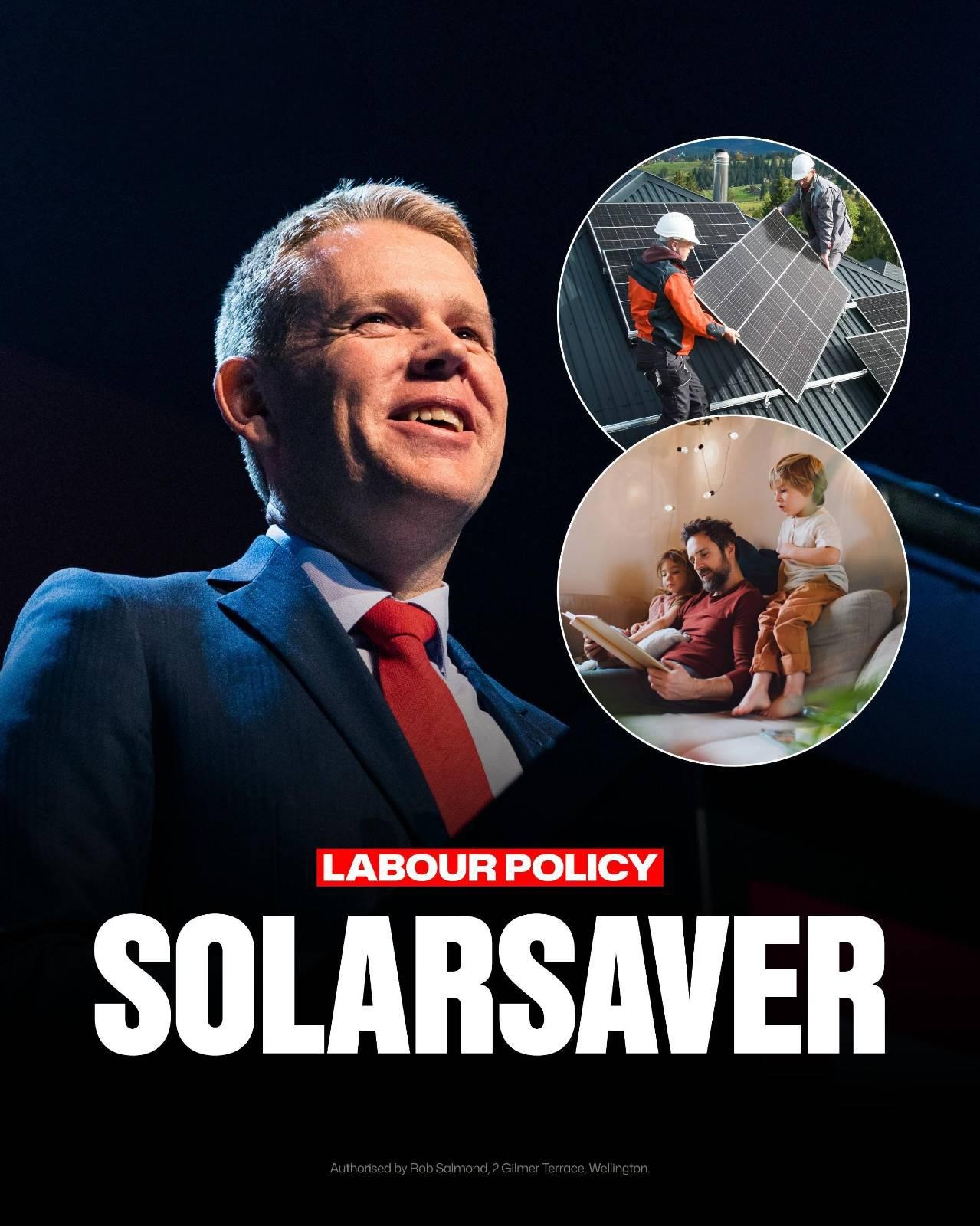
SolarSaver
Labour's SolarSaver is a fully-funded programme to help homeowners, renters and communities get solar without the upfront cost.
Learn More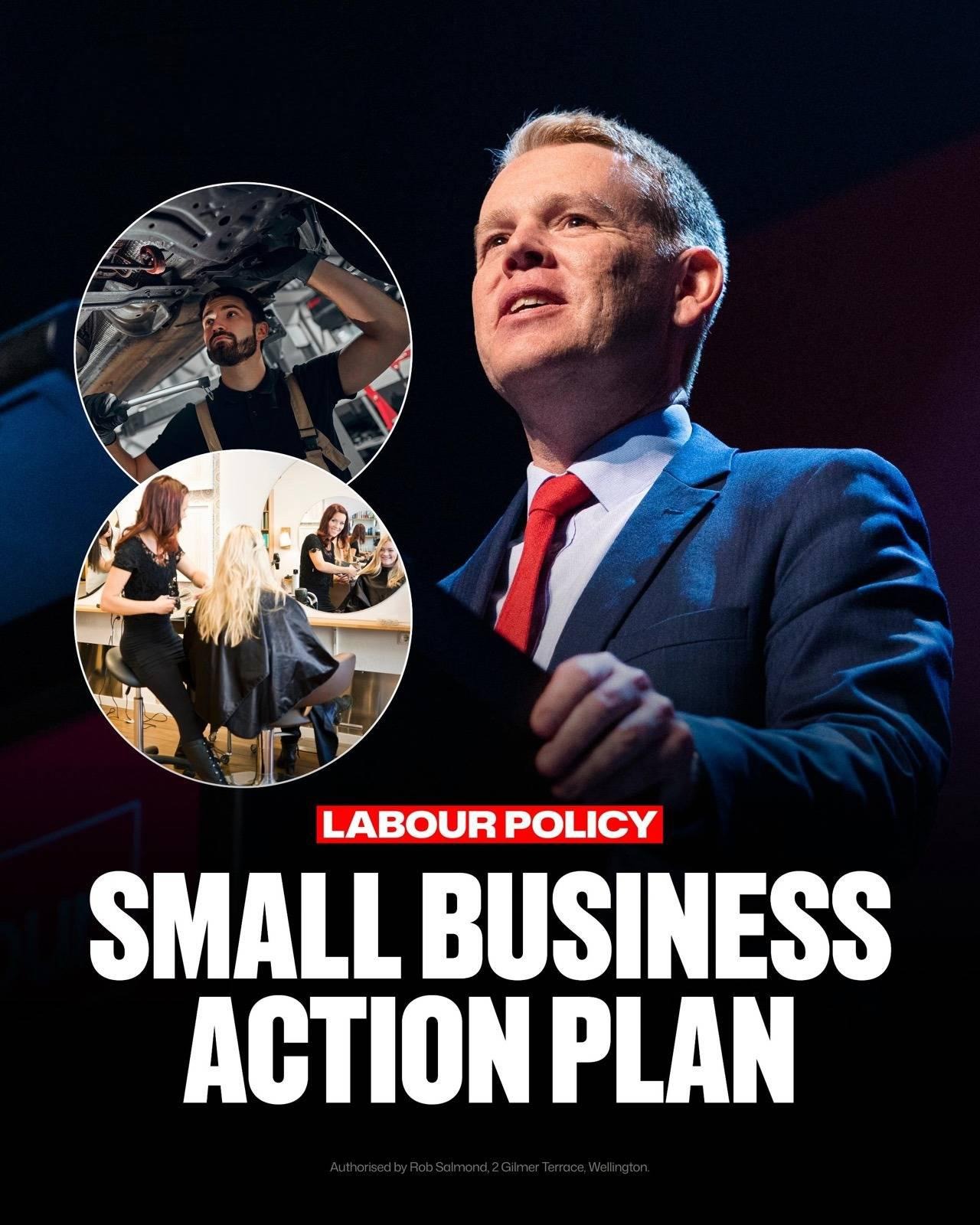
Small Business Action Plan
Getting small business owners paid sooner, easier ways to invest, and less paperwork.
Learn More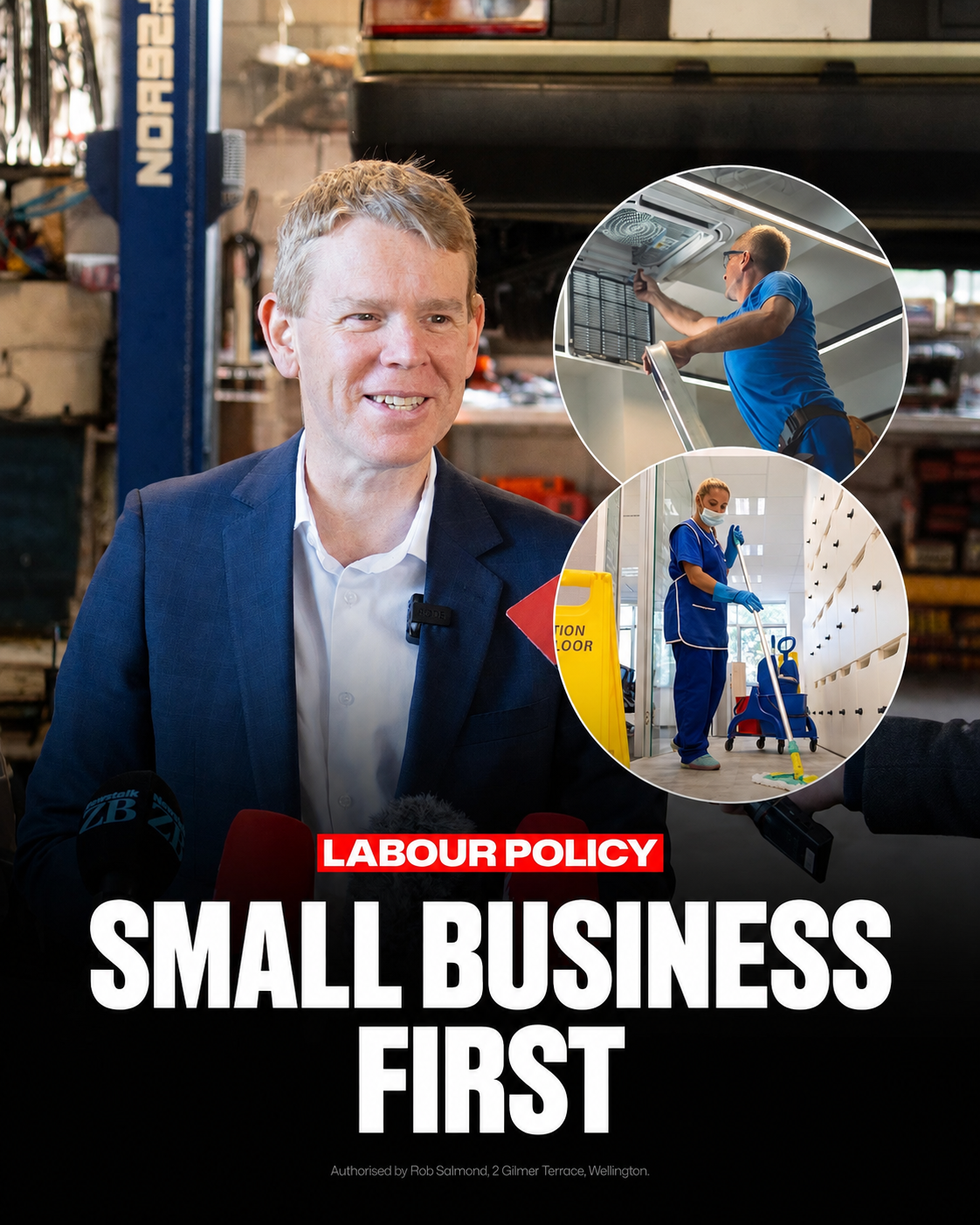
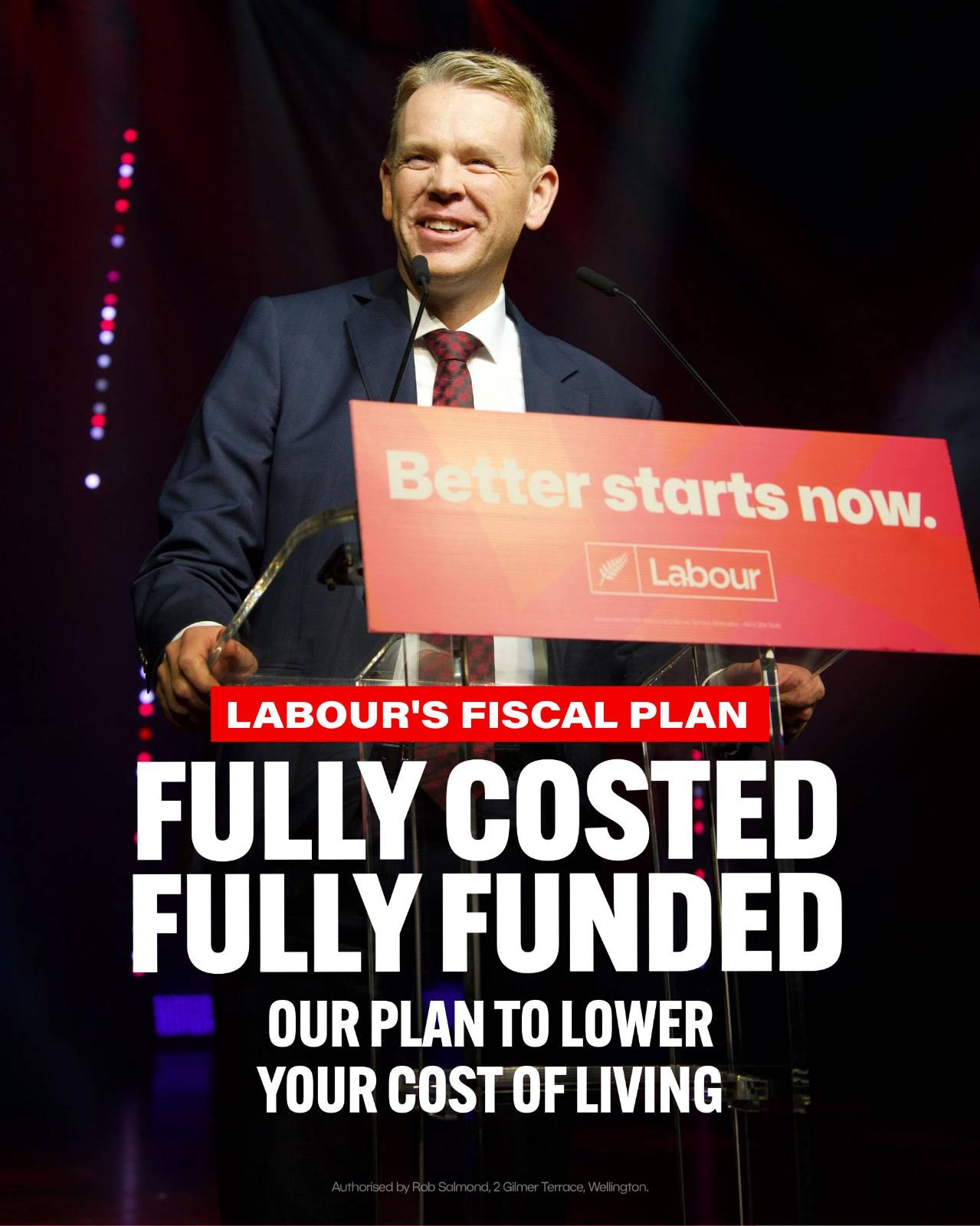
Fiscal Plan
Balance the books, return to surplus by 2028/29, reduce net debt to below 20% of GDP, and keep government spending and revenue sustainable.
Learn More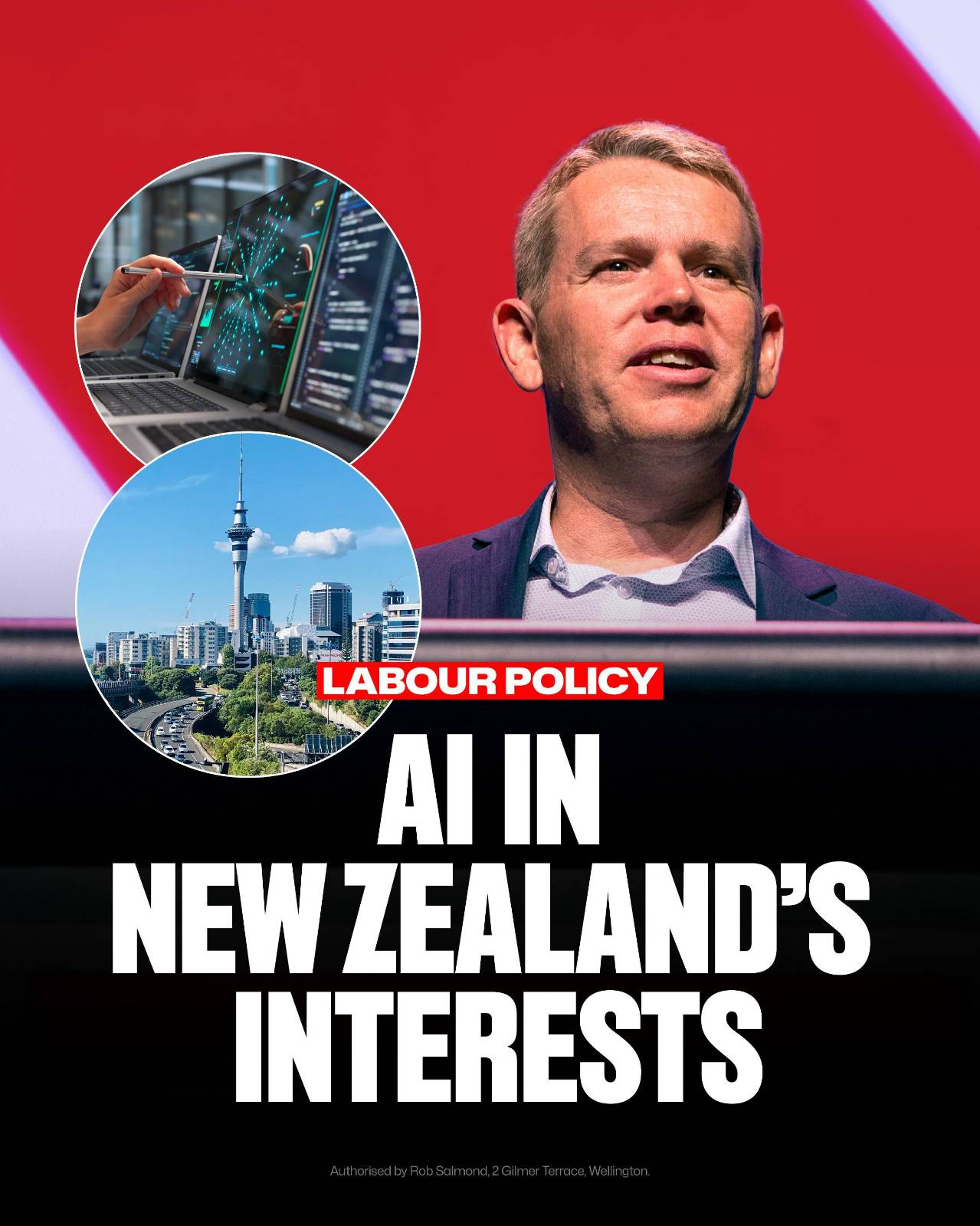
AI in New Zealand's Interests
Protect what matters, unlock our potential, and lead on our own terms with a new Office of AI and a framework to recognise and pay creators when AI uses their work.
Learn More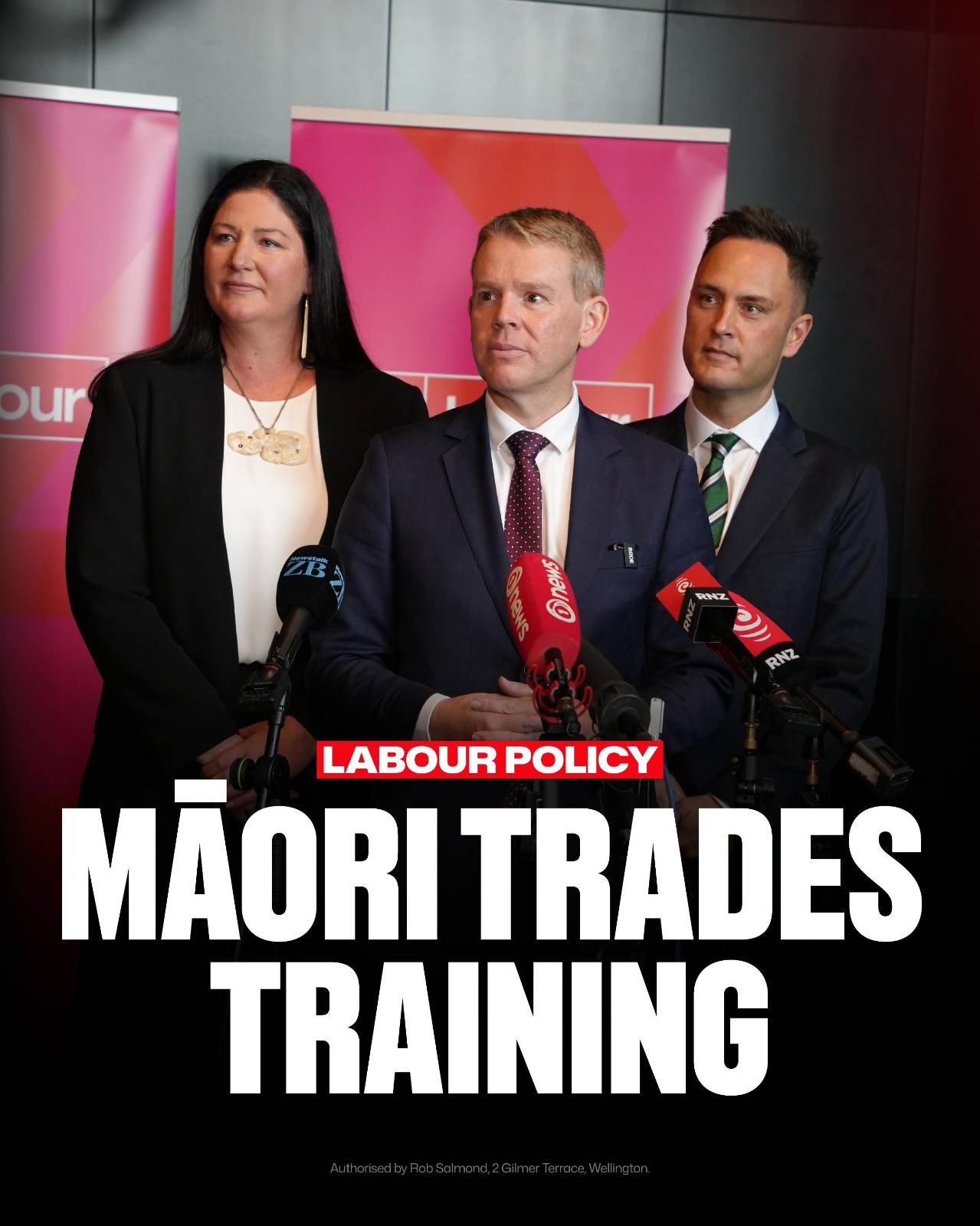
Backing Māori into Skilled Work
Māori-led training that helps more whānau Māori gain skills and move into good, well-paid work.
Learn More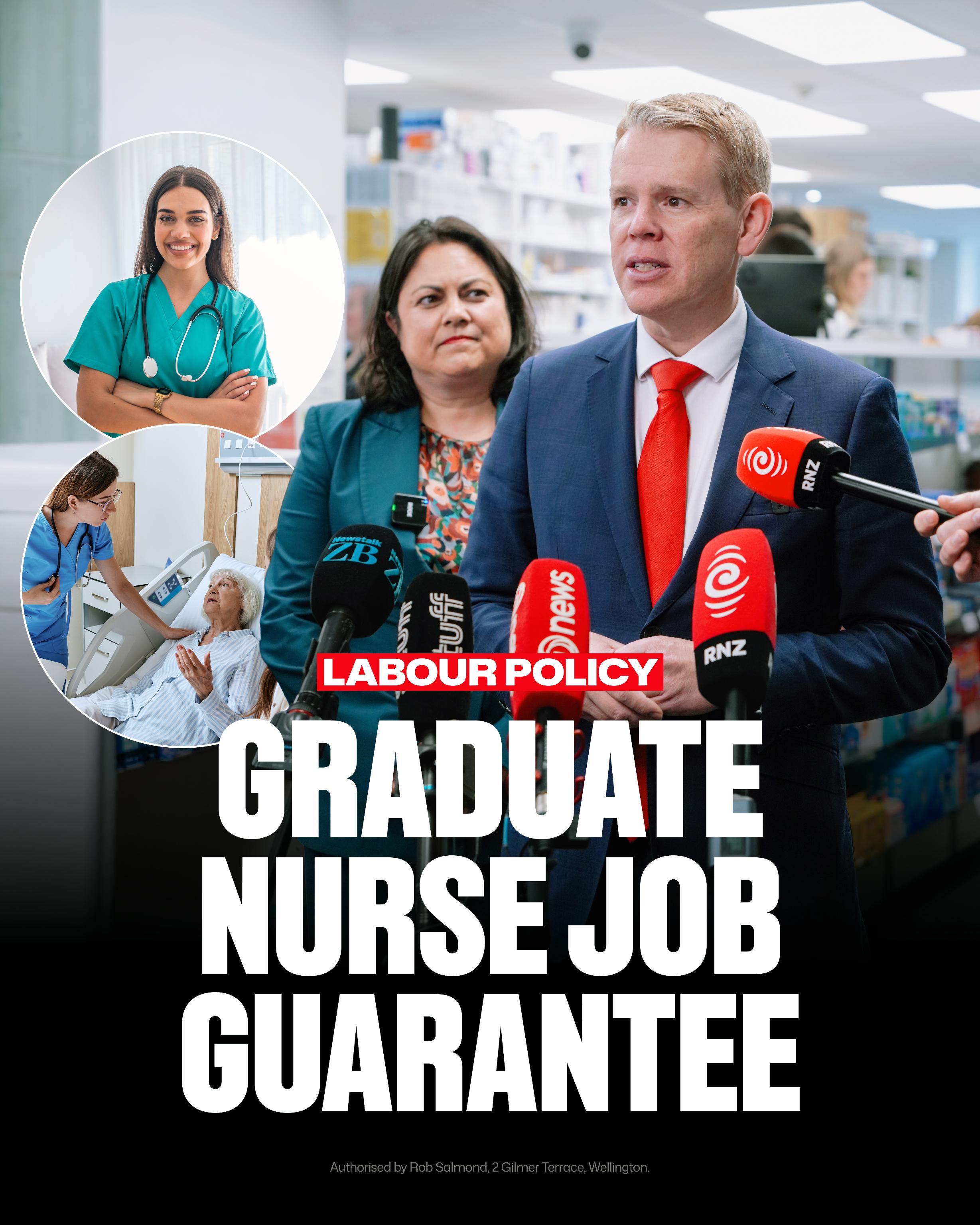
Graduate Nurse Job Guarantee
Every eligible New Zealand-trained graduate nurse will be offered a job in our health system, from 2027.
Learn More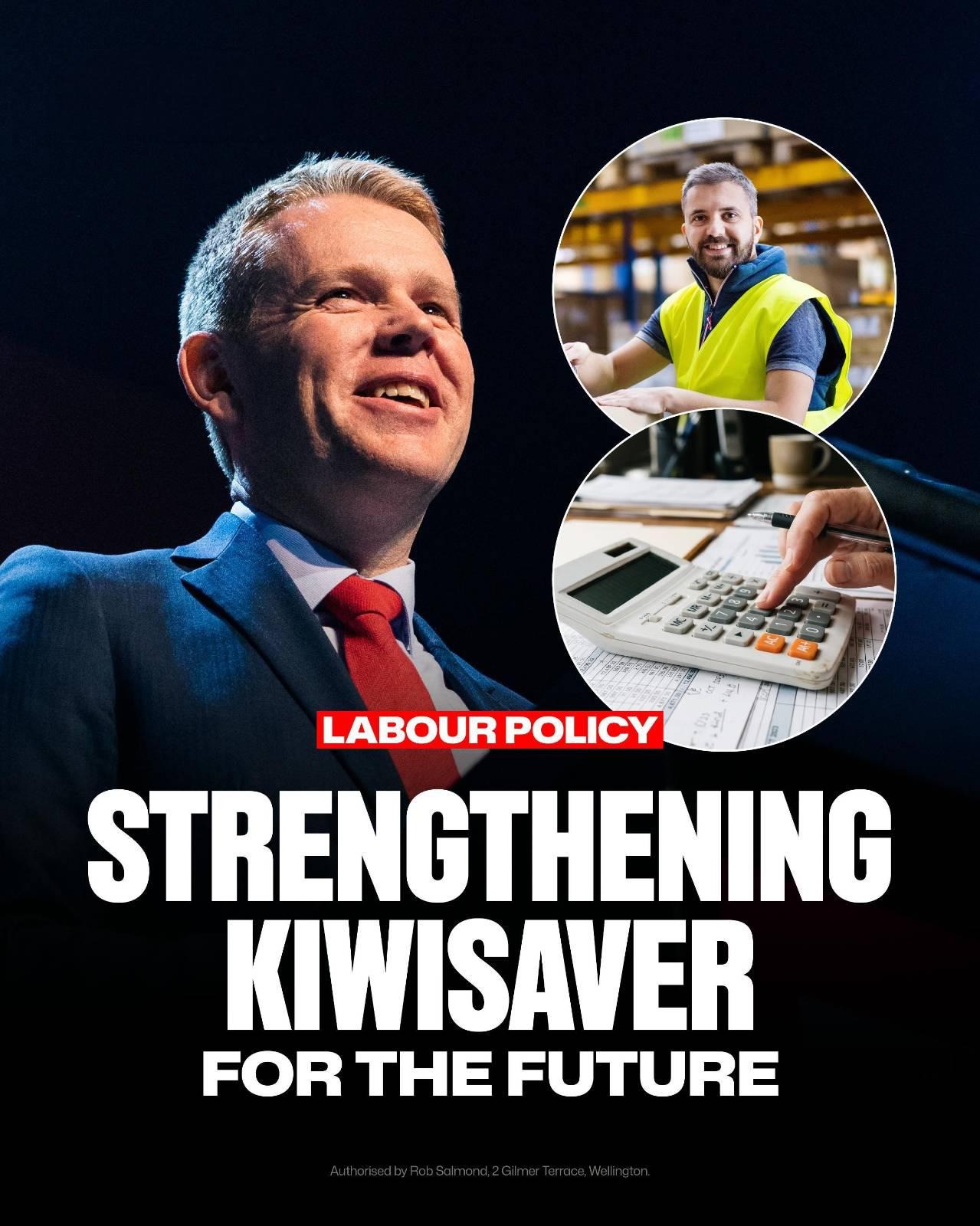
Strengthening KiwiSaver
Compulsory employer contributions rising to 6% by 2032, plus support during parental leave and over-65s.
Learn More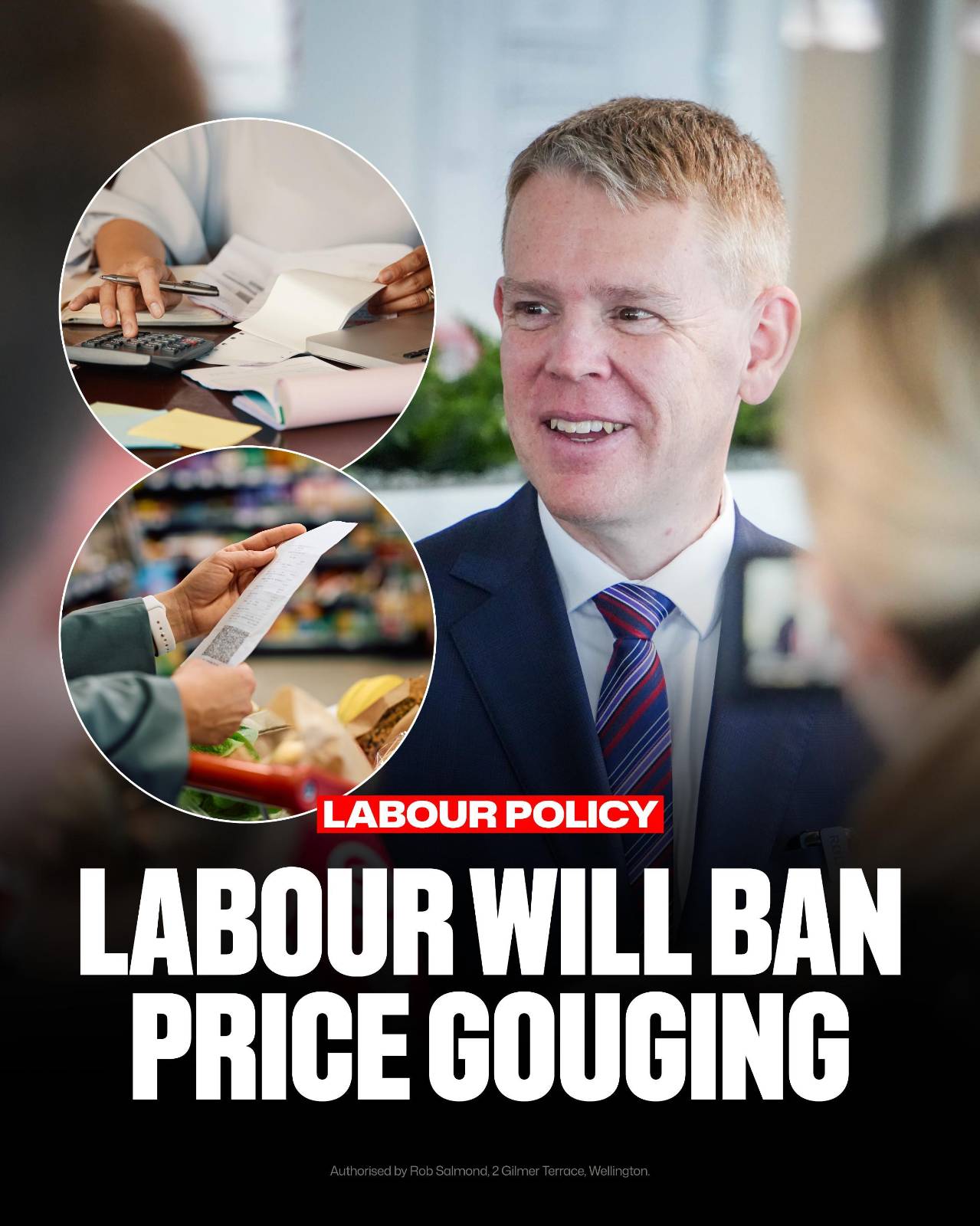
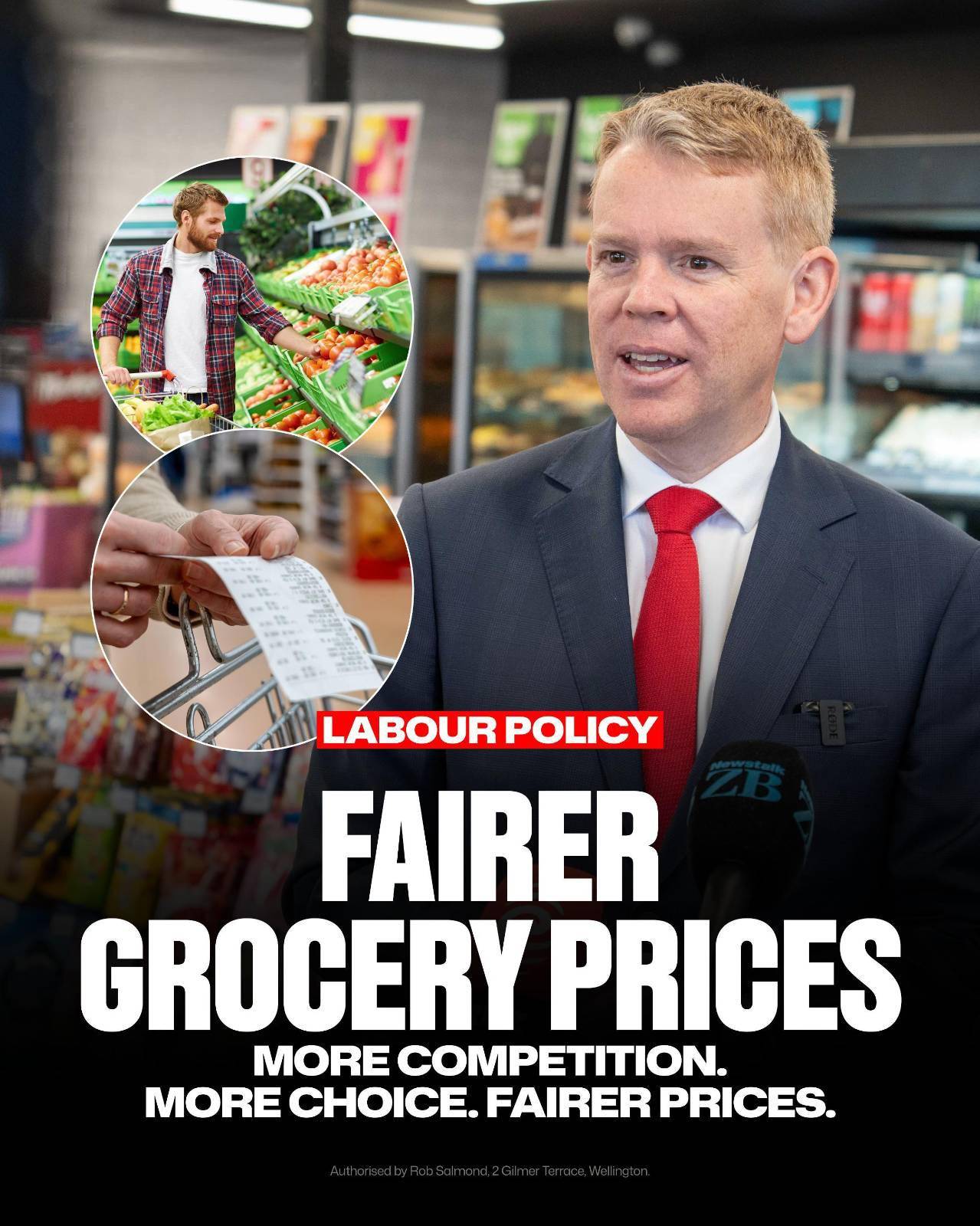
Fairer Grocery Prices
More competition, more choice, fairer prices by breaking open the supermarket duopoly's grip on wholesale supply.
Learn More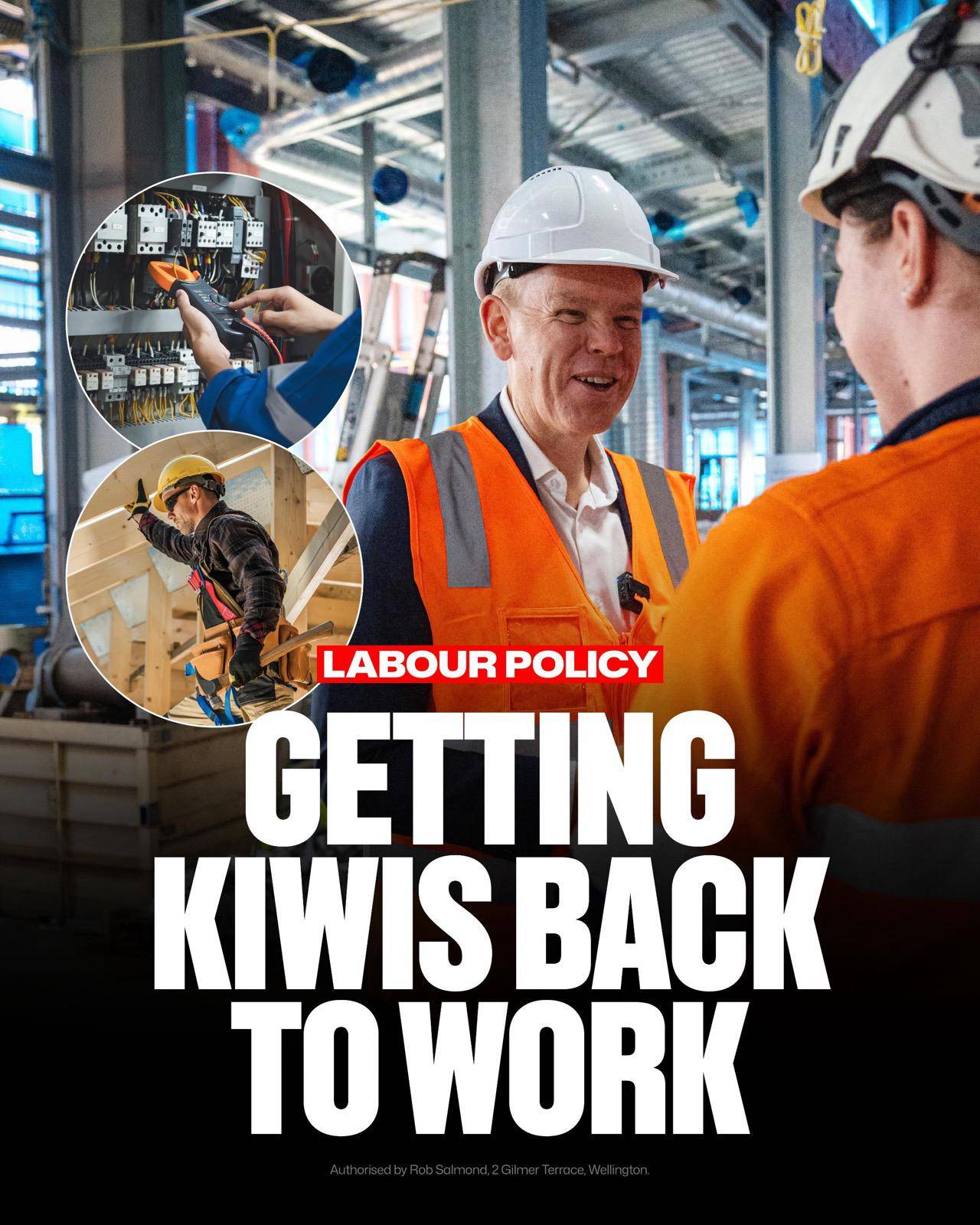
Start Work Now
Building homes, fixing schools and repairing hospitals - getting Kiwis back on the tools and nearly 30,000 apprentices into work.
Learn More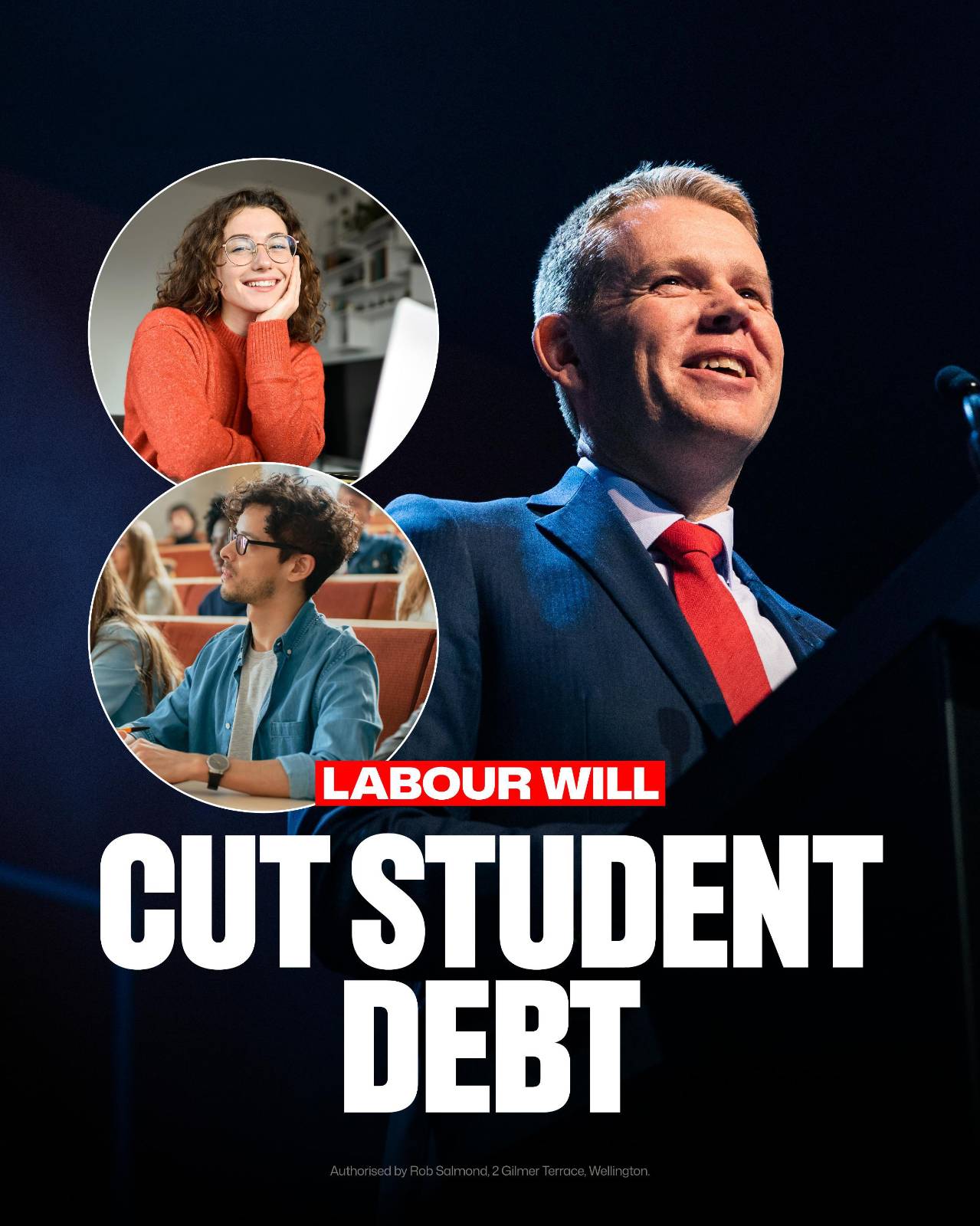
Cutting Student Debt
A 10% cut to eligible student loan balances, with small balances under $2,000 written off completely.
Learn More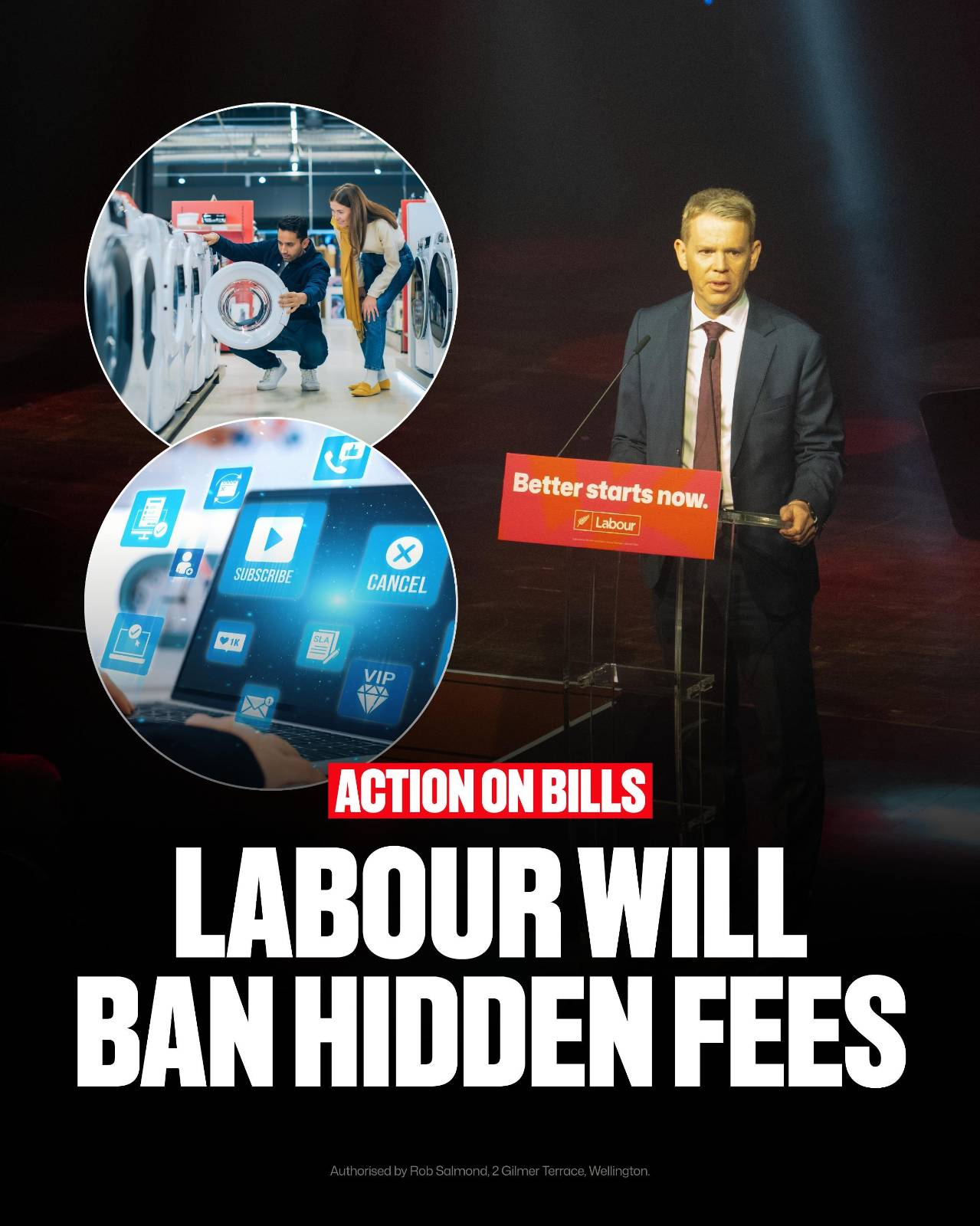
A Fair Go For Families
No hidden fees. No traps. No rip-offs. Banning junk insurance and making cancelling as easy as signing up.
Learn More
Pay Equity
Restoring pay equity legislation and giving an immediate pay rise to care and support workers.
Learn More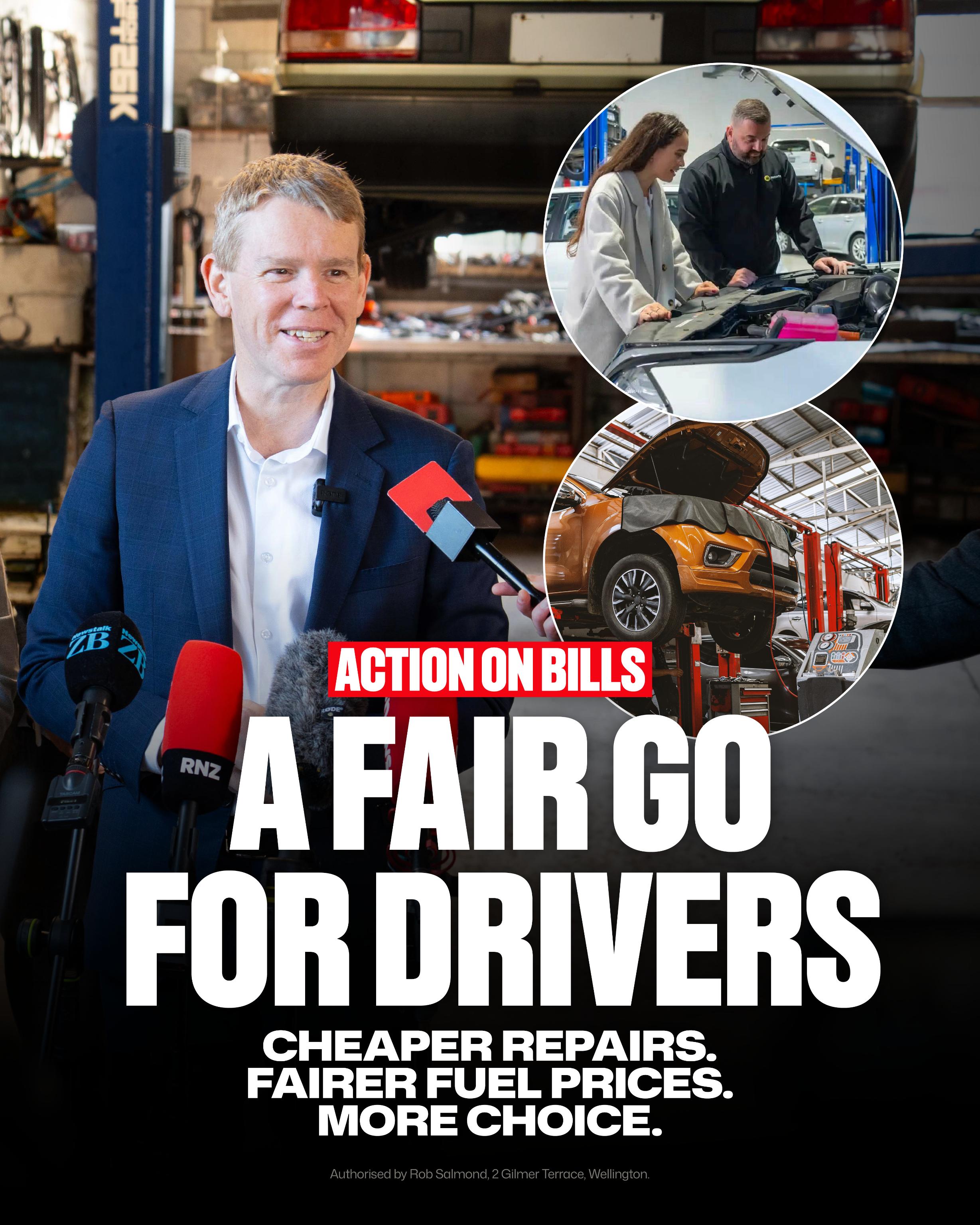
A Fair Go For Drivers
Fairer fuel pricing, a right to repair law for cars, and a fairer deal at the car yard.
Learn More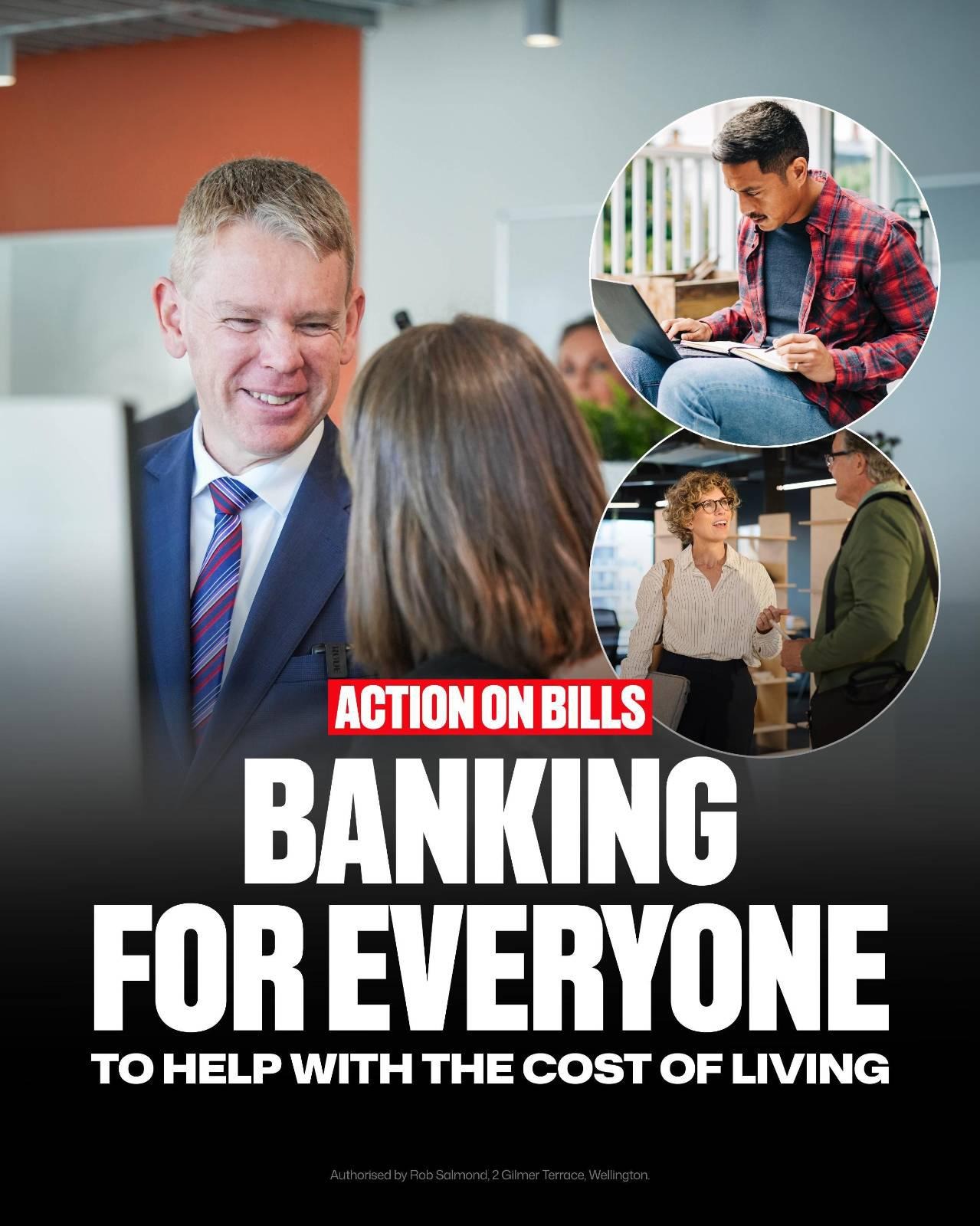
Banking for Everyone
Opening up banking competition, backing Kiwi fintech with a new digital banking licence, and keeping Kiwibank 100% New Zealand-owned.
Learn More
A Better Deal When You Fly
Real prices upfront, automatic refunds when things go wrong, and more airlines competing for your business.
Learn More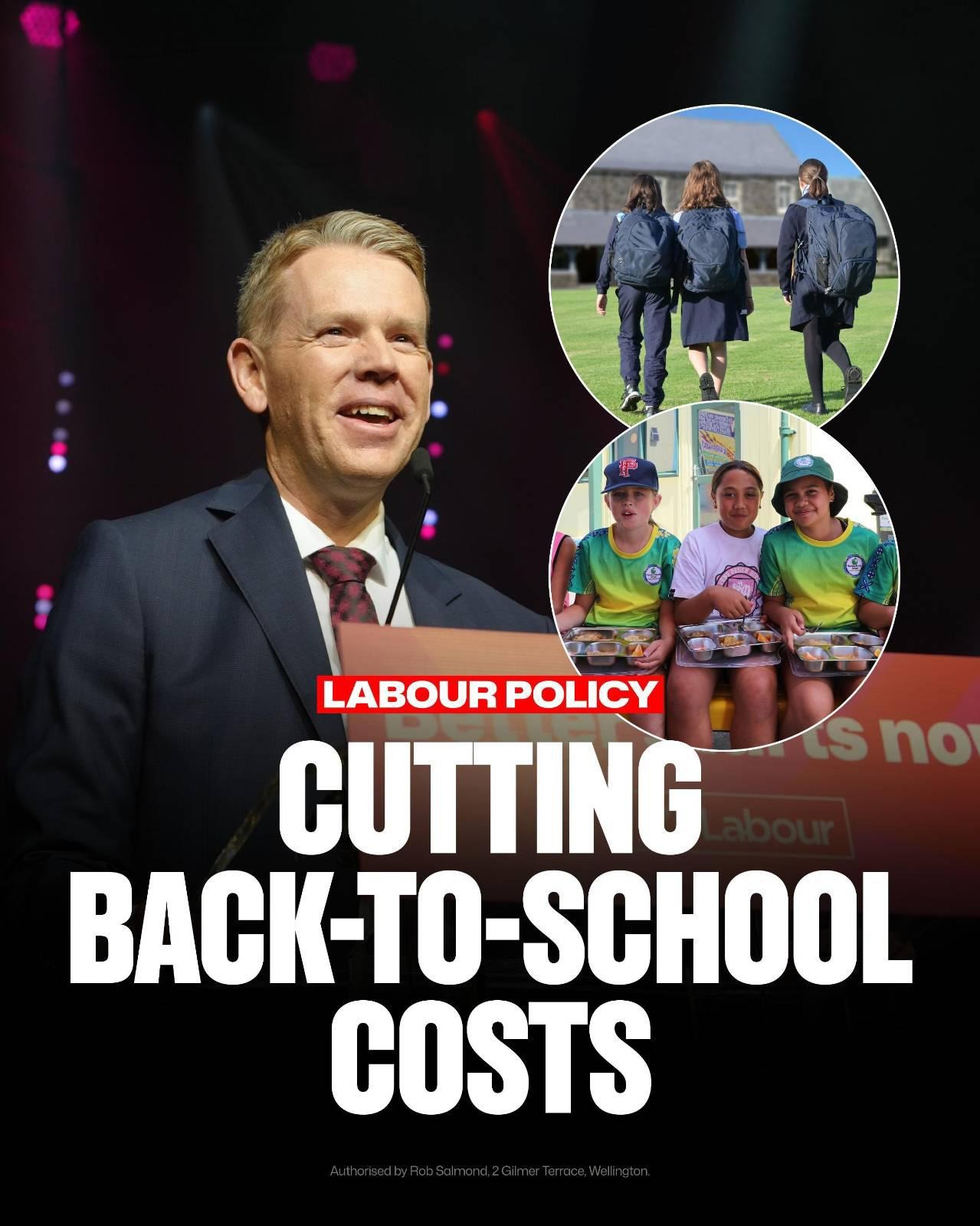
Cutting Back-to-School Costs
Cheaper uniforms, healthy school lunches back from Term 1 2028, rural school buses restored, and lower transport costs.
Learn MoreFrequently asked questions about Labour's 2026 policies
What are Labour's policies for the 2026 New Zealand general election?
Labour's 2026 election policies include:
- a fiscal plan to return to surplus by 2028/29 and reduce debt while growing the economy
- a $20 weekly public transport fare cap
- three free doctor's visits each year for every New Zealander
- free prescriptions from July 2027
- free maternity scans from July 2028
- free cervical screening for ages 25-69 from 1 October 2027
- the Family Doctor Loan Scheme to create 4.5 million new GP visits
- the New Zealand Future Fund to invest in Kiwi businesses
- expanding the Apprenticeship Boost to support more tradies and young people
- solar without the upfront cost for homeowners, renters and communities
- a Small Business Action Plan covering payment times, an asset write-off and a higher GST threshold
- putting Small Business first with a fair shot at work and less time dealing with the government
- backing Māori into skilled work with Māori-led training
- a job guarantee for every eligible graduate nurse
- the Start Work Now plan that will create good jobs and build more homes, fix local schools and repair our hospitals
- an AI Action Plan to protect what matters, unlock the benefits of AI, and lead on New Zealand's own terms
- banning price gouging on essential goods and services
- breaking open the supermarket duopoly's grip on the grocery market
- cutting back-to-school costs with cheaper uniforms, healthy school lunches and rural school buses restored
- cutting student debt by 10% for eligible borrowers
- strengthening KiwiSaver with compulsory employer contributions rising to 6% by 2032
- a Fair Go Law banning hidden fees, junk insurance and exit traps
- a fair go for drivers with fairer fuel prices and a right to repair for cars
- opening up banking competition and keeping Kiwibank 100% New Zealand-owned
- a better deal when you fly, with real prices upfront, automatic refunds and more airline competition
- restoring pay equity and an immediate pay rise for care and support workers
- a simple targeted capital gains tax on investment property profits to fund health
What is Labour's Fiscal Plan?
Labour's Fiscal Plan sets out how a Labour Government will manage the country's finances:
- return an OBEGAL surplus by 2029/30, using the original OBEGAL measure rather than OBEGALx
- reduce net debt to below 20% of GDP
- keep core Crown expenditure and revenue at around 33% of GDP in the medium term
- establish a Parliamentary Budget Office for independent fiscal transparency
- restore the Reserve Bank's dual mandate of price stability and maximum sustainable employment
- restore wellbeing reporting to the Public Finance Act
What is Labour's KiwiSaver policy?
- employer contributions compulsory from 1 July 2028, rising to 6% by 2032
- employee default set at 4%, with the minimum contribution rate removed
- new total remuneration contracts banned
- a new contribution for parents on paid parental leave
- employer contributions extended to people working past 65, from 1 July 2028
What is Labour's AI policy?
Labour's AI Action Plan is built around three goals:
- Protect what matters. People's rights, safety, privacy and creative work
- Unlock our potential. Help people and businesses build the skills to use AI productively
- Lead on our terms. Government leadership and control over New Zealand's data and choices
It includes a new Office of AI, an online safety regulator, a copyright framework for creators, and rules requiring data centres to pay their own way on energy and water.
What is Labour's price gouging policy?
Labour will make price gouging illegal for the first time in New Zealand:
- clear legal tests defining when high prices become unfair and excessive
- covering essentials: groceries, energy, fuel, telecommunications, banking and insurance
- applying only to big companies with significant market power, not small businesses
- the Commerce Commission gets power to investigate and take companies to court
- companies that overcharge face penalties and must pay back what they took
What is Labour's Fairer Grocery Prices policy?
Labour will break open New Zealand's grocery market, which is more than 80% controlled by Woolworths and Foodstuffs:
- ending unfair contracts that stop stores lowering prices or going independent
- banning junk fees charged to food producers
- guaranteeing smaller supermarkets access to wholesale supply
- creating two independent wholesalers: Foodstuffs Wholesale and Woolworths Wholesale
- applies only to Woolworths and the two Foodstuffs cooperatives, not dairies, cafes or independent grocers
What is Labour's Fair Go Law?
The Fair Go Law stops businesses making money by tricking their customers, covering:
- cars - banning junk insurance and secret commissions
- whiteware and electronics - no checkout pressure-selling of warranties
- phones and internet - easy online cancellation, no unfair exit fees
- subscriptions - cancelling as easy as signing up
- tickets - advertised price includes all mandatory fees
- gyms - cancelling as easy as joining
What is Labour's A Fair Go For Drivers policy?
- weekly Commerce Commission reporting on fuel prices
- a right to repair law so local mechanics can access what they need to fix cars
- fairer supply contracts for independent petrol stations
- secret car finance commissions banned, 14 days to cancel add-on insurance
What is Labour's Banking for Everyone policy?
- major banks required to give smaller fintechs fair access to payment systems
- a new digital banking licence for growing payments companies
- secure, 24/7 real-time payments for fintechs by 2030
- government-verified ID option for switching providers, clearer insurance terms
- Kiwibank remains 100% New Zealand-owned
What is Labour's A Better Deal When You Fly policy?
- airlines must show the full price with every fee included
- automatic refunds when a big airline cancels or significantly changes your flight
- major airlines must publish reliability data and share fares, costs and profits with the Commerce Commission
- fair access to airport infrastructure for every airline
- airports stopped from overcharging for parking, food and other services
What is Labour's Cutting Back-to-School Costs policy?
- a law change to make school uniforms more affordable, in place by Term 1 2028
- fresh, healthy, locally made school lunches from Term 1 2028, funded at $5 per meal ($6.50 for Years 9 to 13)
- rural school bus routes National cancelled restored where possible
- public transport fares capped at $20 a week in main cities and $10 elsewhere
- fuel tax frozen for three years
What is Labour's Backing Māori into Skilled Work policy?
Labour will invest $21 million a year in Māori-led training that helps more whānau Māori gain skills and move into good, well-paid work:
- backing kaupapa Māori training delivered by marae, iwi trusts and Māori providers
- working with local employers to connect people with real jobs
- combining practical skills with mentoring and support
- open to Māori of all ages
- starting after Budget 2027
What is the Graduate Nurse Job Guarantee?
Every eligible New Zealand-trained graduate nurse will be offered a job in the health system:
- offered through the existing Advanced Choice of Employment (ACE) and primary care employment schemes
- roles of at least 0.8 FTE, offered at graduation from 2027
- both registered and enrolled nurses are eligible
- applies to graduates sitting their State Final examination from July 2026 onwards
- costed at $525 million
What is Labour's Pay Equity policy?
- pay equity legislation restored in the first 100 days
- $4 an hour immediate pay rise for care and support workers, from 1 January 2027
- worth around $8,320 a year to an average full-time worker
- fully funded within Labour's Fiscal Plan
What is Labour's Start Work Now policy?
Start Work Now is Labour's plan to get Kiwis back on the tools by starting essential building and repair work:
- Kainga Ora building social housing again
- improvements at more than 2,000 state and integrated schools
- clearing the hospital repair backlog
- support for nearly 30,000 apprentices, with a $1,000 toolbox grant
- fully funded and ready to start within a year
What is Labour's Cutting Student Debt policy?
- 10% cut to eligible student loan balances
- already finished study and still repaying? get the cut on 1 April 2027
- current or future student? get the cut after 3 years based in New Zealand
- balances of $2,000 or less written off completely after the 3-year track
- does not apply to graduates who benefited from Fees Free
How are Labour's health policies funded?
Labour's healthcare policies will be funded by a simple targeted 28% capital gains tax on profit from selling commercial or residential investment property, excluding the family home, farms, KiwiSaver, shares, businesses and inheritances.
Every dollar raised is ring-fenced for health. Nine out of 10 New Zealanders will not pay the tax.
What is Labour's Medicard?
The Medicard is a new card and app that every New Zealander will receive, giving them access to three free GP visits a year at their enrolled practice, free cervical screening (ages 25-69), and free maternity scans.
Entitlements are loaded automatically. It integrates with My Health Account and the National Health Index (NHI).
When will Labour's policies start?
- First 100 days of a Labour Government: paid-on-time legislation and payment-time disclosure for small businesses, and pay equity legislation restored
- 1 January 2027: $4 an hour pay rise for care and support workers under Labour's pay equity policy
- 1 April 2027: eligible graduates already repaying their student loan receive a 10% cut; current and future students qualify for the same cut after staying in New Zealand for three years following their study, first qualifying from 2031
- 1 July 2027: $20 fare cap; free prescriptions; Family Doctor Loan Scheme; Apprenticeship Boost expansion (new trades, toolbox grant, mentoring)
- 1 October 2027: Free cervical screening (ages 25-69)
- Within a year of taking office: Start Work Now, with school improvements beginning within 12 to 24 months
- Term 1 2028: new school uniform rules in place and healthy school lunches return
- 1 July 2028: Compulsory KiwiSaver employer contributions begin, extended to over-65s
- 1 July 2028: Two-year employer payments under Apprenticeship Boost; free maternity scans; Independent Pricing Authority for GP funding
- SolarSaver: EECA support, subsidies, and loan schemes up and running within 12 months of taking office
- Backing Māori into Skilled Work: running as soon as possible after Budget 2027
- Graduate Nurse Job Guarantee: applies to graduates from July 2026, with roles offered at graduation from 2027
- Capital gains tax: Applies only to profits made after 1 July 2027, and only when the property is sold
- Fiscal plan: Return to an OBEGAL surplus by 2028/29
Who will benefit from Labour's policies?
- The transport fare cap benefits anyone who uses public buses, trains or some ferries in New Zealand
- The Medicard and its associated free visits, prescriptions, maternity scans and cervical screening benefit every New Zealander entitled to public healthcare
- The Family Doctor Loan Scheme benefits communities with limited GP access
- The Future Fund aims to benefit Kiwi workers and businesses
- Apprenticeship Boost benefits employers taking on apprentices and the apprentices themselves, particularly in the trades and skilled sectors
- SolarSaver will benefit homeowners, renters and people without panels on their roof (in neighbourhoods with a community battery)
- The Small Business Action Plan and Small Business First benefit New Zealand's roughly 600,000 small businesses, their families and local community
- Backing Māori into Skilled Work benefits whānau Māori of all ages seeking skills and secure work
- The Graduate Nurse Job Guarantee benefits New Zealand-trained graduate nurses and the patients they care for
- Cutting Student Debt will benefit Kiwis with student debt
- Strengthening KiwiSaver benefits working New Zealanders saving for retirement or a first home, including parents on paid parental leave, people working past 65 and self-employed New Zealanders
- Banning price gouging benefits every household buying essentials, as well as the growers and suppliers squeezed by powerful companies
- Fairer Grocery Prices benefits shoppers, independent and small grocers, and food producers and suppliers
- Cutting Back-to-School Costs benefits parents and caregivers, school students, rural families, and local food businesses supplying school lunches
- Start Work Now benefits tradies, apprentices and communities waiting on new homes, improved schools and repaired hospitals
- A Fair Go For Families benefits anyone buying a car, whiteware, phone or internet plan, a subscription, event tickets or a gym membership
- A Fair Go For Drivers benefits drivers, independent petrol station owners and local mechanics
- Banking for Everyone benefits bank customers, small businesses seeking finance, and Kiwi fintech businesses
- A Better Deal When You Fly benefits air travellers, regional communities that rely on air services, and smaller Kiwi airlines
- AI for New Zealand aims to benefit all New Zealanders, including workers, creators and small businesses adopting AI safely
- Pay Equity benefits care and support workers, the large majority of whom are women
Sign up to receive the latest announcements directly to your inbox.
You can unsubscribe any time.
